
Kamalapur ICD Container Leasing and Depot Sourcing Services
Introduction
Kamalapur Inland Container Depot, known as Kamalapur ICD, is one of the most important inland container handling points in Bangladesh. It sits close to Dhaka, beside the rail network, and it connects importers and exporters in the capital region with the seaports. For a business that needs a container for a short period, or a business that needs a place to hold, check and prepare containers, Kamalapur ICD container leasing and depot sourcing services offer a practical answer.
Leasing a container means using a container owned by someone else for an agreed period and returning it when the job is done. Depot sourcing means finding the right container, in the right condition, from a depot that can supply it, check it and hand it over with clear papers. Both services save a business from buying containers outright, which is a large investment, and both need careful planning so the container that arrives is the container the cargo actually needs.
This guide explains the process in plain language: what the depot is, which containers are available, how leasing works, how to inspect a container, which documents to keep, and how to plan the move to the factory, warehouse or buyer. It does not quote a price, a rate or a fee. A rate or a fee is confirmed only after checking the actual shipment and documents, because every container, cargo and route is different. Since 2016, Total Import Solution has been helping importers in Bangladesh, and this guide follows the same practical approach used in real import work: check the cargo first, check the container second, and keep every step in order.
1. What Kamalapur ICD Is and Why It Matters for Dhaka Importers
Kamalapur ICD is an inland container depot in Dhaka. Goods that arrive at a seaport can move inland by rail to Kamalapur, where containers are received, stored, checked and handed over. Goods that leave Bangladesh can also be packed into containers at or near the depot and sent onward by rail. The depot therefore works as a bridge between the seaport and the businesses of Dhaka and the surrounding districts.
For an importer in Dhaka, this bridge matters for several reasons. First, it brings the container closer to the factory or warehouse, so the final road leg is shorter and easier to plan. Second, it gives the importer a place where containers can be held safely while documents are completed. Third, it brings rail transport into the plan, which can be useful for heavy or bulky cargo that suits rail movement.
Kamalapur ICD container leasing and depot sourcing services build on this position. Instead of sending a truck to the seaport for every container, an importer can source a container from the depot area, load or unload near Dhaka, and return the empty container to a depot point. The depot is not a place to rush through. Space, handling equipment, rail schedules and document checks all need to be planned in advance.
2. How Container Leasing Works at an Inland Depot
Container leasing is a simple idea with several steps that must be done in the right order. A business that needs a container contacts a leasing or depot service provider, explains the cargo and the route, and asks which containers are available. The provider checks its stock, confirms the container type and condition, and agrees the period of use and the handover point.
The lease period usually starts when the container is handed over and ends when it is returned in the agreed condition. During the lease, the user is responsible for the container while it is in their care. That means loading it correctly, keeping it clean and dry inside, and returning it without damage beyond normal wear. Any damage should be reported at once, with photos, so there is no argument later.
There are two common patterns. In the first, the container is used for a single one-way move, such as carrying imported cargo from the depot to a factory and then being returned empty. In the second, the container is used for a longer period, such as holding cargo at a site while a project runs. Both patterns need a clear written agreement that states the container number, the type, the condition at handover, the period, the return point and the documents that travel with it.
3. Container Types Available Through Depot Sourcing
Not all containers are the same. The type decides what cargo can go inside, how it is loaded, and what care it needs. Write down the cargo details before you ask for a container, because the provider can only match what you describe.
| Container type | Common use | What to check before accepting |
|---|---|---|
| Standard dry container, 20-foot | General cargo, cartons, pallets, machinery parts | Doors, floor, roof, wall panels and seals |
| Standard dry container, 40-foot | Large loads, bulky goods, full factory orders | Doors, floor, roof, wall panels and seals |
| High cube container | Tall cargo that needs extra height | Internal height and door opening height |
| Open top container | Cargo loaded from above, such as long items | Roof cover, top rails and lashing points |
| Flat rack container | Heavy or wide cargo that does not fit inside a box | Deck condition, corner posts and lashing points |
| Refrigerated container | Cargo that must stay cool | Cooling unit, power supply and temperature record |
| Tank container | Liquid cargo in bulk | Valves, seals, frame and test papers |
| Special or modified container | Project cargo and site storage | Modifications, fittings and door operation |
Container sizes use widely standard approximate figures. A 20-foot container is approximately 6 metres long, and a 40-foot container is approximately 12 metres long. Internal space and load capacity vary by maker and age, so treat every figure as approximate and check the actual container before loading. The container plate and the handover papers give the details for that exact unit, and those are the figures to trust.
A dry container is the most common choice for general cargo. It protects goods from rain and dust, it can be sealed, and it can be handled by standard equipment. A high cube gives extra height for tall cartons or light bulky goods. An open top or flat rack suits cargo that cannot pass through the doors. A refrigerated container needs a power supply and a working cooling unit, so check it runs before loading.
4. Depot Sourcing: How the Right Container Is Found
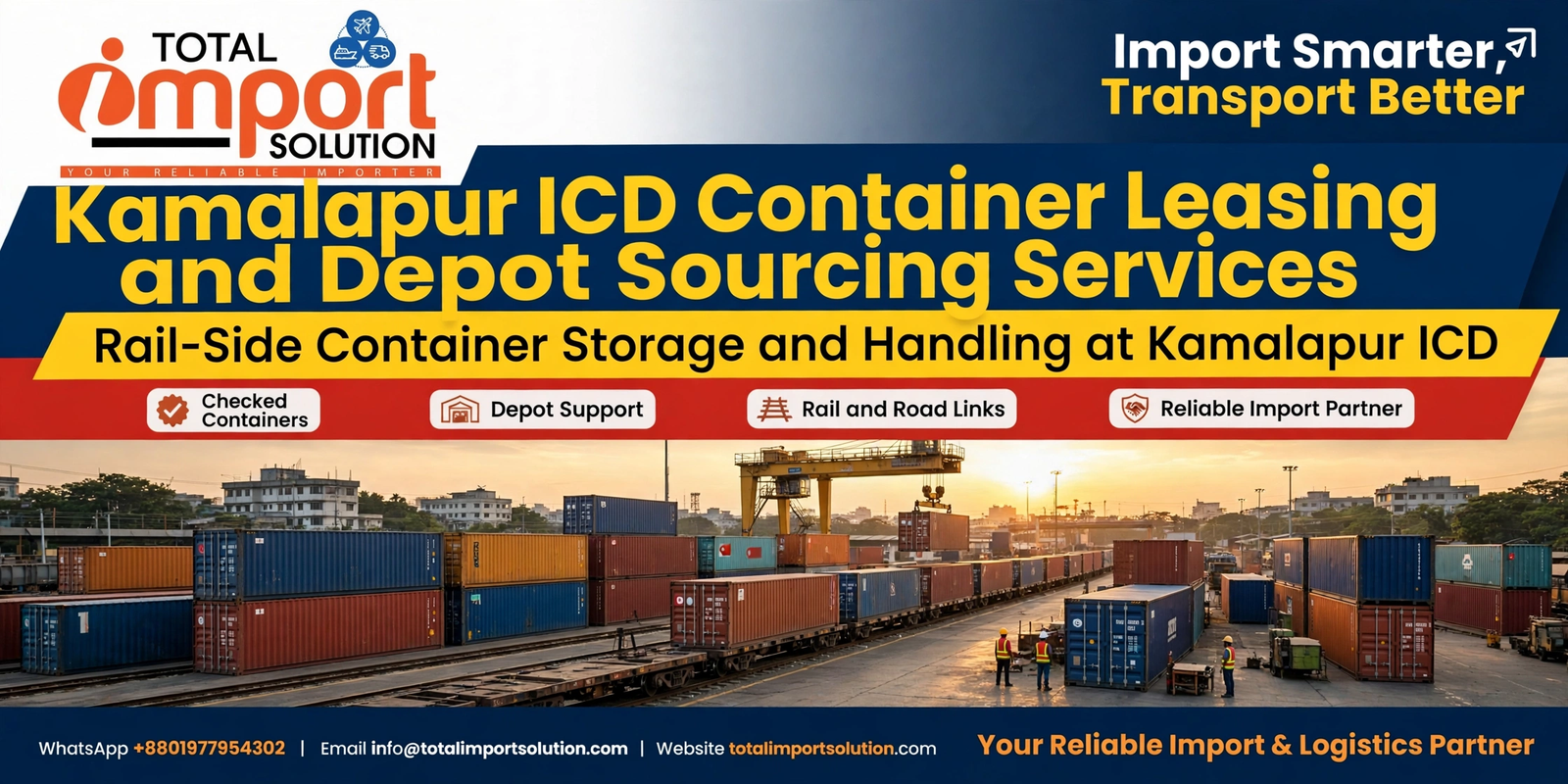
Depot sourcing is the work of finding the right container from the stock held at or near a depot. It starts with a clear request. The request should state the container type, the size, the cargo, the loading date, the loading place and the return point. A vague request leads to a wrong container, so write the details down and share them in writing.
The sourcing team then checks the depot stock. They look for a container of the right type, in the right condition, available on the right date. They also check the container history where it is known, such as whether it has carried cargo that could leave a smell or residue.
Once a container is chosen, the team prepares it. Preparation may include sweeping and cleaning the inside, checking the doors and seals, repairing small faults, and fitting any extra equipment the cargo needs, such as lashing bars or timber for bracing. The container is then checked again and a condition report is written.
A good sourcing service also plans the handover. The container is brought to the loading point at the agreed time, the condition report is shared, and the receiver signs to confirm the container number and condition. That signature matters. It is the record that the container was received in the stated condition, and it protects both sides if a question arises later.
Keep one file for each container sourced, holding the request, the container number, the type, the condition report with photos, the handover note and the return note.
5. Step-by-Step: Leasing a Container from Kamalapur ICD
Follow these steps in order. Each step depends on the one before it, and skipping a step is the most common cause of delay.
Step 1. Write down the cargo details. List the goods, the number of cartons or pallets, the weight, the size of the largest piece, and any special needs such as ventilation, cooling or top loading.
Step 2. Choose the container type and size. Match the cargo to the types in Section 3. If the cargo is close to the limit of a 20-foot unit, consider the 40-foot unit, because an overloaded container is a safety risk.
Step 3. Ask for availability and terms. Share the cargo details, the loading date and place, and the return point. Ask which containers are available and what the handover and return terms are.
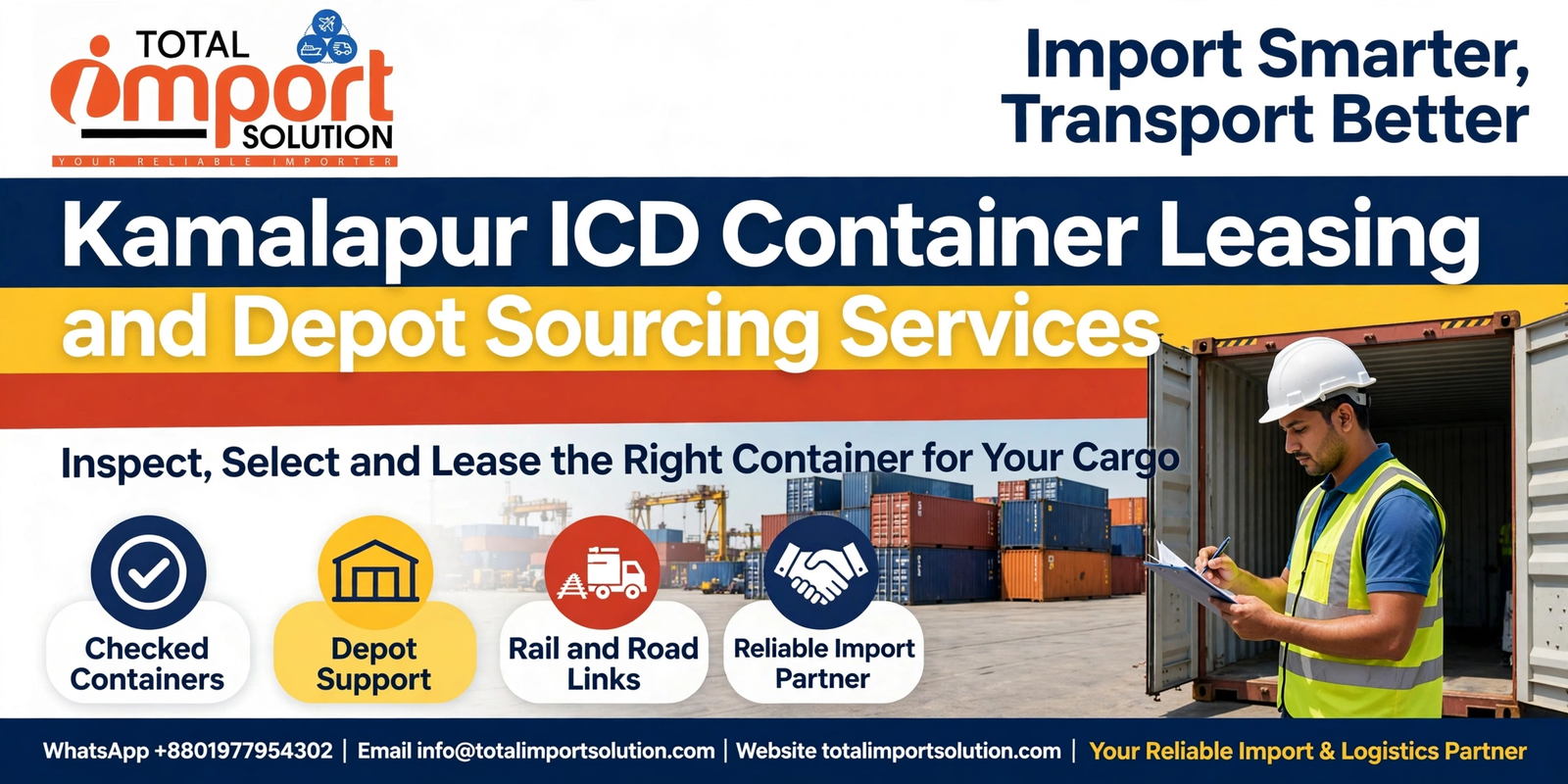
Step 4. Inspect the container. Check the doors, floor, roof, walls, seals and corner castings. Look for daylight through the roof or walls, soft spots in the floor, rust at the door hinges, and any smell inside. Take photos.
Step 5. Read the condition report. Make sure the report matches what you saw. If a fault is not listed, ask for it to be added before you sign.
Step 6. Sign the handover note. Confirm the container number, type, condition and date. Keep a copy with you and a copy in the import file.
Step 7. Load the cargo correctly. Spread the weight evenly, brace the load so it cannot shift, keep the weight within the limit shown on the container plate, and seal the doors. Photograph the loaded container before the doors close.
Step 8. Move the container. Follow the planned route and keep the driver, the depot team and the receiver in contact. Note the departure time and the expected arrival time in your file.
Step 9. Unload and check. At the destination, open the doors carefully, check the cargo against the packing list, and note any damage to cargo or container at once.
Step 10. Return the container. Clean the inside, remove all dunnage and labels, return it to the agreed point, and get a signed return note that states the condition on return.
6. Inspecting a Container Before You Accept It
Inspection is the most important part of depot sourcing, and it takes only a short time when done properly. Walk around the container first. Look at the outside walls and roof for dents, holes and rust. Look at the corner castings, the fittings that cranes and trucks use to lift and lock the container, and make sure they are not cracked or bent.
Open the doors and look inside. The inside should be clean, dry and free of smell. Step inside and look up at the roof. If you can see daylight through a hole, the container will let rain in. Check the floor by walking on it. A soft or springy floor may be damaged and may not hold a heavy load safely. Check the door seals by closing the doors and looking for gaps, and check that the locking rods move freely and the handles lock.
For a refrigerated container, ask the depot team to run the cooling unit and show you the temperature reading. For an open top container, check the roof cover and the top rails. For a flat rack, check the deck and the corner posts. For a tank container, check the valves, the seals and the frame, and ask for the test papers. Never accept a container with a fault that is not written on the condition report.
| Part of the container | What to look for | If you find a fault |
|---|---|---|
| Roof | Holes, dents, daylight showing through | Ask for repair or another container |
| Walls | Dents, holes, rust, bent panels | Note it on the report with a photo |
| Floor | Soft spots, holes, oil or chemical stains | Ask for cleaning or another container |
| Doors | Hinges, locking rods, seals, handles | Ask for repair before signing |
| Corner castings | Cracks, bends, blocked openings | Do not accept the container |
| Inside condition | Clean, dry, free of smell and debris | Ask for cleaning before loading |
| Seals and locks | Seal points and lock fittings in order | Confirm seal numbers in writing |
The report is your protection, and a fault that is not written down is a fault you may be blamed for later.
7. Documents You Need for Container Leasing and Depot Use
Documents are the backbone of container leasing. The depot, the transporter and the cargo owner all work from paper, so keep the full set in one file and check every paper against the container number.
| Document | Why it matters | Check this before handover |
|---|---|---|
| Container handover note | Proves the container number, type and condition at handover | Number, type, condition and date match the container |
| Condition report with photos | Records faults that already exist | Every fault you saw is listed |
| Lease or service agreement | States the period, the return point and the duties of each side | Period, return point and duties are clear |
| Packing list | Shows the cargo inside the container | Cartons, weight and marks match the cargo |
| Commercial invoice | Shows the seller, buyer, value and goods | Goods and value match the order |
| Bill of lading or transport note | Shows the cargo movement and the parties | Container number and route are correct |
| Seal record | Records the seal number fitted to the doors | Seal number matches the record |
| Return note | Proves the container was returned and its condition | Condition on return is stated and signed |
| Cleaning or repair note | Records any cleaning or repair done | Work done and date are stated clearly |
A rate or a fee is confirmed only after checking the actual shipment and documents. Do not agree a figure on the basis of a verbal promise alone. Ask for the terms in writing, read them, and keep them in the file with the other papers.
8. Moving Containers Between Kamalapur ICD, the Port and Your Site
A container move has three legs: from the depot to the loading point, from the loading point to the destination, and the return of the empty container to the depot. Each leg needs a plan, a vehicle and a time.
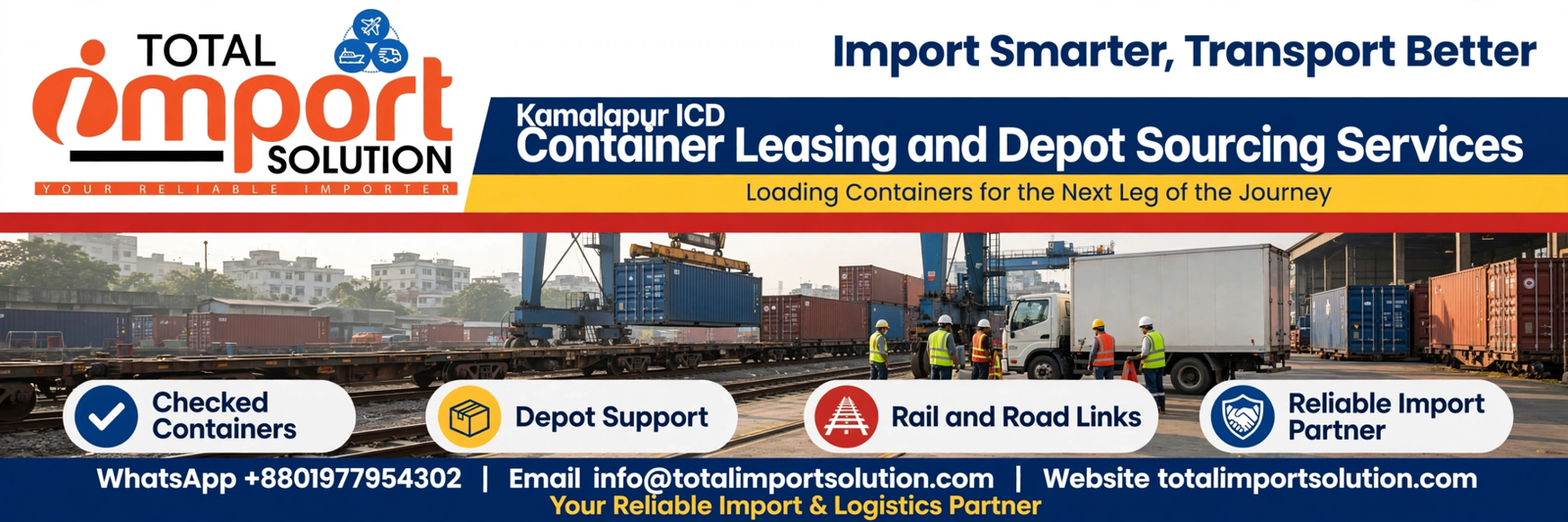
Rail is the main link between Kamalapur ICD and the seaport. Containers move by rail in groups, and rail movements run to a schedule, so book the rail leg early and confirm the loading time in writing. Road transport covers the final leg to the factory or warehouse. The truck must suit the container size and weight, and the loading site must have space for the truck to enter, turn and be loaded safely.
Before the move, confirm these points with the transporter: the container number, the pick-up point, the delivery point, the date and time, the route, and the name and phone number of the driver. Share the same details with the receiver at the destination so the unloading team is ready when the truck arrives.
At the destination, check the seal number before opening the doors. If the seal number is different from the record, stop and call the depot team and the transporter before opening. Photograph the seal, the container number and the doors before unloading, and check the cargo against the packing list as it comes out.
Plan the return at the same time as the delivery. An empty container that waits at a factory for days takes up space and may run past the agreed period. Arrange the return truck in advance, clean the container after unloading, and get the signed return note at the depot.
9. Costs, Charges and How to Judge a Fair Offer
Container leasing and depot services involve several kinds of charges, such as the lease charge, the handling charge, the transport charge and any cleaning or repair charge. Each charge depends on the container type, the period of use, the route and the work done, so no single figure fits every job. Ask for each charge to be listed on its own line, in writing, before you agree.
A fair offer is one you can understand. It should state what is included, what is not included, how long the period runs, what happens if the container is returned late, and who pays for damage. If an offer leaves these points unclear, ask for them to be written down. A provider that explains its charges clearly is easier to work with than one that leaves them vague.
Judge a provider by how it works, not by a single low figure. A good provider answers questions in writing, inspects containers before handover, keeps condition reports with photos, and returns calls when a problem arises.
10. Common Problems and How to Avoid Them
Most container problems are easy to avoid when the handover is done properly. The list below covers the problems that appear most often and the simple step that prevents each one.
| Problem | Why it happens | How to avoid it |
|---|---|---|
| Wrong container type | Cargo details were not written down | Write the cargo details and match the type first |
| Wet or damaged cargo | Roof or wall leak not checked | Inspect inside for daylight and damp before loading |
| Dispute over damage | Fault not written on the report | List every fault with photos before signing |
| Late return | Return not planned at delivery | Book the return truck when you book the delivery |
| Seal number mismatch | Seal changed without a record | Check the seal against the record before opening |
| Overloaded container | Weight not checked against the plate | Weigh the cargo and respect the plate limit |
| Dirty container | Previous cargo residue not cleaned | Inspect inside and ask for cleaning before loading |
| Missing papers | Documents left at the depot | Keep one file and check it before the move |
If a problem happens during the move, act at once. Photograph the container and the cargo, note the time and place, and inform the provider and the transporter in writing on the same day.
11. Safety Rules for Loading, Handling and Storage
Containers are heavy, and a loaded container can weigh many tonnes, so safety rules are not optional. Only trained people should operate lifting equipment, and only the agreed equipment should be used to lift a container. Never stand under a lifted container, and never enter a container while it is being lifted or moved.
When loading, spread the weight evenly across the floor and keep the centre of gravity low. Brace the cargo so it cannot shift during the journey, and use timber, straps or dunnage that suit the cargo. Keep the doors clear so they can be closed and sealed without force. Do not load cargo that presses against the roof or the doors, because it may fall out when the doors open.
At the depot and at the factory, keep the container area clear. Mark the area where trucks and lifting equipment work, keep people out of that area during lifting, and check that the ground is firm and level before a container is set down. Store containers on level ground, lock the doors when the container is not being loaded, and keep the area lit at night.
Check the container plate before loading. The plate states the maximum load for that exact container, and that limit must be respected. If the cargo is close to the limit, split the load or use a second container.
12. Planning Your Container Needs for the Months Ahead
A business that uses containers often should plan beyond the next shipment. Look at your orders for the next few months and list the containers you will need, the types, the dates and the routes. Share this plan with your depot and leasing provider, so they can hold suitable stock and warn you early if a type will be short.
Keep a simple record for each month: the number of containers used, the types, the routes, the problems faced and the lessons learned. This record helps you see patterns, such as a type that is often short or a route that often runs late.
Build a relationship with one or two providers who know your cargo and your sites. A provider who knows your factory gate, your loading team and your cargo will plan better than a new provider who must learn it all on the first job.
Since 2016, Total Import Solution has worked with importers who plan this way, and the pattern is steady: the businesses that plan ahead, keep clear files and inspect every container face fewer delays and fewer disputes than those that arrange each container at the last minute.
13. How to Judge a Good Container Leasing and Depot Provider
A good provider is judged by its work, not by its words. The checks below show what to look for when you choose a provider for Kamalapur ICD container leasing and depot sourcing services.
| What to check | A good sign | A warning sign |
|---|---|---|
| Inspection | Container shown and checked before handover | Handover rushed with no inspection |
| Condition reports | Written report with photos for every container | No report, or a report with no photos |
| Written terms | Period, return point and duties stated clearly | Verbal terms only, nothing in writing |
| Communication | Questions answered in writing, on time | Calls not returned, answers vague |
| Container stock | Right types available, clean and in order | Only damaged or wrong types offered |
| Handling and transport | Planned route, confirmed times, named driver | No plan, no confirmed time |
| Problem handling | Problems recorded and solved promptly | Problems ignored or blamed on the customer |
| Record keeping | Handover and return notes kept and shared | No notes, or notes that cannot be found |
Ask for references from businesses with similar cargo, and ask how the provider handles a damaged container, a late return or a seal problem. The answers will show whether the provider works in an orderly way.
Frequently Asked Questions
1. What is Kamalapur ICD container leasing?
Kamalapur ICD container leasing means using a container for an agreed period and returning it when the job is done. The container is handed over with a condition report, used to carry or hold cargo, and returned to the agreed point in the agreed condition.
2. What is depot sourcing?
Depot sourcing means finding the right container from the stock held at or near a depot. The sourcing team checks the type, size and condition, prepares the container, and arranges the handover at the agreed time and place.
3. Which container size should I choose?
Choose the size that fits your cargo with room to load safely. A 20-foot container is approximately 6 metres long and a 40-foot container is approximately 12 metres long. Check the actual container and its plate before loading, because internal space varies by maker and age.
4. How do I inspect a container before accepting it?
Walk around it, open the doors, look inside for daylight, damp or smell, walk on the floor, check the door seals and locking rods, and check the corner castings. Take photos and make sure every fault is written on the condition report.
5. What documents travel with a leased container?
Keep the handover note, the condition report with photos, the lease or service agreement, the packing list, the commercial invoice, the transport note, the seal record and the return note in one file, and check each one against the container number.
6. How is the lease period counted?
The period usually starts at handover and ends at return. The agreement should state the start, the end and the return point in writing, so both sides know exactly when the period runs and where the container must go back.
7. Can I use a leased container for storage at my site?
A container can often be used to hold cargo at a site for a period, if the agreement allows it. Check the terms first, keep the container on level ground, lock the doors when not in use, and plan the return in advance.
8. What happens if the container is damaged while I use it?
Report the damage at once with photos, inform the provider and the transporter in writing on the same day, and keep the handover report that shows the condition before use. Damage that was already listed on the report is not your damage.
9. How do containers move between Kamalapur ICD and the seaport?
Containers move mainly by rail between the depot and the seaport, following a schedule, and by road for the final leg to the factory or warehouse. Book the rail leg early and confirm the loading time in writing.
10. What should I check before the doors are opened at the destination?
Check the seal number against the record first. If it is different, stop and call the depot team and the transporter before opening. Photograph the seal, the container number and the doors before unloading.
11. How do I avoid overloading a container?
Weigh the cargo, spread the weight evenly, keep the centre of gravity low, and respect the maximum load shown on the container plate. If the cargo is close to the limit, split the load or use a second container.
12. What is a condition report and why does it matter?
A condition report is a written record of the container condition at handover, with photos of faults. It protects both sides, because a fault listed on the report cannot be blamed on the user later.
13. Can refrigerated containers be sourced from a depot?
A refrigerated container can be sourced if one is available in stock. Ask the depot team to run the cooling unit and show the temperature reading before loading, and confirm the power supply at the loading and unloading points.
14. What should I do if the seal number does not match?
Do not open the doors. Photograph the seal and the container number, note the time, and call the depot team and the transporter at once. Wait for their instruction before opening, and keep the record in your file.
15. How far in advance should I book a container?
Book as early as you can, and earlier for a special type such as an open top, flat rack or refrigerated unit. Early booking gives the depot team time to find, prepare and inspect the right container for your cargo.
16. How can Total Import Solution help with container leasing and depot sourcing?
Total Import Solution helps importers plan container sourcing, check documents, inspect containers and arrange moves from the depot to the factory or warehouse. Contact the team with your cargo details, and a rate or a fee is confirmed only after checking the actual shipment and documents.
Contact Total Import Solution
- WhatsApp: +8801977954302
- Email: info@totalimportsolution.com
- Website: totalimportsolution.com
- Service: Kamalapur ICD Container Leasing and Depot Sourcing Services
- Company: Total Import Solution — Since 2016, serving importers in Bangladesh
